Mastering Your First Wine Tasting with Confidence
Reading time: 10 minutes
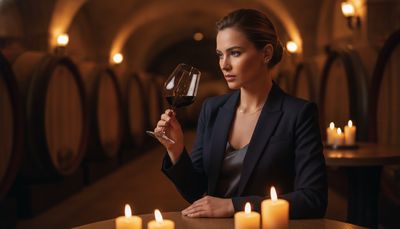
Last week I stood in the wine cellar of Château Pichon Baron in Pauillac, Bordeaux, surrounded by barrels from the 2019 vintage, and watched a woman gulp down her red wine like lemonade. Her wealthy companion didn't flinch, but I saw the disappointment in his eyes. A wine tasting is far more than refined drinking, it is a cultural skill that is taken for granted in upscale circles. When your partner invites you to an exclusive wine tasting, you want to come across with elegance and show that you understand his world.
Wine tasting etiquette follows clear rules that you can easily pick up with a little preparation. Today I'll tell you how to carry yourself with confidence at your first wine tasting, which mistakes to avoid and how to score points with smart details. After this article you'll know what to expect and how to turn your first tasting experience into an unforgettable shared moment.
Proper Preparation: What You Need to Know Before the Wine Tasting
Your preparation begins before you even enter the tasting room. I never wear perfume or strongly scented hand cream to wine tastings. The reason is simple: according to the German Wine Institute, as little as 2 micrograms of perfume per cubic meter of room air can impair the perception of wine aromas by up to 40 percent. Your companion may be investing several hundred dollars in rare vintages, and you should respect that investment.
Read up in advance on the winery or the region being tasted. If you are visiting, for example, the Markus Molitor winery on the Moselle in Germany, read up quickly on the fact that this winery is known for its Rieslings from steep vineyards. A single sentence like "I read that Molitor harvests exclusively by hand on steep slopes with gradients of up to 70 degrees" shows genuine interest. You can find details like that on the winery's website or in trade magazines such as Vinum or Falstaff.
Wear closed shoes with a flat or medium heel. In historic wine cellars such as Kloster Eberbach in Germany's Rheingau, you walk over centuries-old stone floors, some of them uneven and slippery. I once saw a woman there in 4-inch stilettos who had to hold on to the barrels. That looks neither elegant nor confident.
How a Wine Tasting Works: How to Behave Properly
A professional wine tasting follows a fixed rhythm that you should know. Typically 4 to 8 wines are presented one after another, starting with light white wines and ending with powerful red wines or sweet dessert wines. For each wine you get about 1 to 1.7 ounces (3 to 5 centiliters) in the glass, roughly a third of a normal wine glass.
The sommelier or cellar master introduces each wine. Now the rule is: listen, don't interrupt. Make mental or discreet notes of details like vintage, grape variety and aging. If the expert explains that the wine matured for 18 months in French barriques from the Damy cooperage, you can come back to that later. That attentiveness is noticed and appreciated.
When tasting itself, you apply the classic five-step method. First: look at the wine against a light background, ideally white paper or a white tablecloth. Second: swirl the glass gently to introduce oxygen. Third: smell briefly, then more intensely. Fourth: take a small sip and draw air through the wine. Fifth: swallow or spit into the spittoon provided. Yes, spitting is part of the etiquette even in exclusive circles, especially when 8 wines are on the program.
According to a 2022 study by Geisenheim University, the ideal tasting temperature is 8 to 12 degrees Celsius (46 to 54 °F) for white wines and 16 to 18 degrees (61 to 64 °F) for red wines. If a wine seems too warm to you, you may politely say so. Phrase it as a question: "Could it be that this Pinot Noir was served a little warm?" That shows competence without sounding preachy.
Wine Tasting Tips: The Details That Make the Difference
You always hold the glass by the stem, never by the bowl. Otherwise the warmth of your hand changes the temperature of the wine by up to 3 degrees Celsius (about 5 °F) within two minutes. I hold my glass between thumb, index and middle finger at the lower end of the stem. That posture looks relaxed and professional at the same time.
When you want to describe aromas, stay concrete and avoid exaggeration. Instead of "This wine tastes like heaven and earth," say "I notice dark berries, maybe blackberry, and a hint of cedar wood." The wine aroma wheel from Geisenheim University lists more than 100 identifiable aromas. Focus on 3 to 4 main notes per wine, more only confuses.
Spit or swallow? When tasting more than 5 wines, I always spit. The alcohol adds up quickly. Five wines at 4 centiliters each (about 1.35 ounces) with an average of 13 percent alcohol by volume already amount to 26 grams of pure alcohol, which is almost two glasses of wine. Nobody in upscale circles will look at you sideways for using the spittoon. On the contrary, it shows that you take the tasting seriously and want to keep a clear head.
Beyond your wine tasting, you can shine with your knowledge at other social occasions too. Just as with confident conversation at dinner, it comes down to the right balance between interest and restraint.
Wine Tasting Dos and Don'ts: What You Should Never Do

Certain mistakes can immediately give you away as inexperienced. Avoid lip gloss or heavily pigmented lipstick. At tastings I've seen glasses whose rims looked like works of art. That is not only unhygienic but also shows a lack of preparation. Wear a matte, subtle lipstick or go without.
Never refill your glass yourself. At reputable tastings, the sommelier controls the quantity. If you would like to try more, ask politely. Put it something like this: "May I taste a little more of this Riesling? The minerality fascinates me." That sounds interested, not greedy.
Never dismiss a wine across the board as "bad" or "undrinkable." Even if a wine doesn't appeal to you, phrase it constructively: "Personally, this wine is a little too tannic for me" or "For my taste, the oak overpowers the fruit." You are allowed to have an opinion, but it should be reasoned and show respect for the winemaker's work.
According to a 2023 survey by the German Wine Institute, 78 percent of sommeliers find loud talking during the wine presentation disruptive. Keep your voice low, even if the wine excites you. You can express your appreciation after the presentation.
How to Taste Wine Like a Pro: The Finer Points of Sensory Evaluation
Professional wine tasting is a sensory examination that involves the eye, nose and palate. For the visual part, I look at color, clarity and viscosity. A young Riesling shows a greenish yellow, a mature Bordeaux a brick-red brown. When you swirl the glass gently and the wine runs slowly down the side of the glass, these are called "tears" or "legs." They indicate a higher alcohol or sugar content.
Your nose is your most important tool. About 80 percent of what we perceive as "taste" is actually aromas we pick up through our sense of smell. First smell without swirling the glass to capture the volatile aromas. Then swirl the glass and smell again. The second round reveals more complex notes that develop through contact with oxygen.
In the mouth, I pay attention to five aspects: sweetness, acidity, tannins, alcohol and body. A balanced wine shows all elements in harmony. When acidity dominates, your cheeks pucker. When the tannins are too strong, your mouth feels fuzzy. You don't have to master these terms perfectly, but a basic understanding helps you communicate your impressions.
Much like art conversations in high society, wine tasting is about showing genuine interest while staying authentic. Nobody expects you to become a sommelier, but your willingness to learn is appreciated.
Choosing the Right Winery: Where Is a Visit Worth It?
If your partner leaves the choice of winery to you, I recommend wineries with professional tasting programs for beginners. The Dr. Loosen winery in Bernkastel on the Moselle in Germany, for example, offers structured tastings with a maximum of 12 participants. Prices are around €25 to €50 (roughly $27 to $55) per person for a basic tasting, while premium tastings with grand cru sites can cost up to €150 (roughly $160).
In Germany's Palatinate region, the von Winning winery in Deidesheim impressed me. The tastings take place in a modern tasting room, and the atmosphere is relaxed yet sophisticated. You can choose between different flights, such as Riesling only or a journey through all of the estate's grape varieties.
For an especially exclusive experience, book a private tasting. At renowned wineries such as Reichsrat von Buhl in Deidesheim, a private tasting for two starts at €200 (roughly $215) and up, but you also get the undivided attention of an expert and can taste wines that are not available to the general public.
According to the German Wine Institute, German wineries recorded about 2.4 million wine tourists in 2023. Demand for high-quality tastings keeps rising by about 8 percent per year. So book at least 2 to 3 weeks in advance, especially in the peak months of September and October during the harvest.
After the Tasting: How to Extend the Experience
After the tasting, it's a good idea to buy a bottle or two of the wines you liked most. That shows appreciation and gives the two of you a shared topic of conversation for later evenings. I always discreetly note the name and vintage of my favorites, either on my smartphone or on the tasting list that many wineries hand out.
If the winery has a restaurant, such as the gourmet restaurant "Les Deux" at Schloss Vollrads in the Rheingau, extend the evening with dinner. Most wineries offer food-pairing menus in which each course is matched with a suitable wine from the range. Prices for such menus are between €80 and €150 (roughly $85 to $160) per person.
Thank the sommelier or cellar master personally and specifically. Instead of a general "Thanks, it was great," say something like: "Thank you so much for the explanation about the spontaneous fermentation of the 2020 Riesling, that was especially fascinating for me." Details like that stay in memory and often open doors for future visits or special terms.
Frequently Asked Questions About Wine Tasting Etiquette
What do I need to keep in mind at a wine tasting?
Don't wear perfume, hold the glass by the stem and listen attentively. Skip heavily pigmented lipstick and arrive on time. A wine tasting usually lasts 60 to 90 minutes, so plan your time accordingly. Ask questions only after the presentation of the wine in question, and use the spittoon when tasting more than 5 wines to keep a clear head.
How do I behave at a wine tasting as a beginner?
Be honest about your experience and show a willingness to learn. Nobody expects expert knowledge from you. Focus on describing your own impressions instead of using technical terms you don't understand. Watch how others hold their glass and taste the wine. Most sommeliers appreciate sincere interest more than feigned knowledge.
How do you taste wine correctly?
Follow the five-step method: look, swirl, smell, taste, spit or swallow. Take your time with each step. When tasting, draw air through the wine by breathing in lightly through your lips while the wine is in your mouth. This spreads the aromas and makes them more intense. Pay attention to the wine's sweetness, acidity, tannins and body.
What should I avoid at a wine tasting on a first date?
Avoid getting drunk by using the spittoon. Don't dismiss wines across the board and don't talk about prices during the tasting. Don't dominate the conversation with half-knowledge from the internet. Avoid loud laughing or talking during the wine presentation. And above all: don't force yourself to like a wine just because it is expensive. Authenticity beats flattery.
What should I wear to a wine tasting?
Choose elegant but practical clothing. Wine cellars can be chilly, so a light wrap or blazer makes sense. Closed shoes with a flat or medium heel are a must. Avoid wide sleeves that could end up in the glass, and choose colors that go well with wine stains: dark red or black are ideal. A simple dress or an elegant combination of blouse and pants is perfect.
My Conclusion: Wine Tasting as a Gateway to Shared Experiences
A wine tasting is far more than sampling drinks. It is a cultural experience that combines enjoyment, education and togetherness. When you master wine tasting etiquette, you not only open the door to exclusive wineries, you also show your partner that you take his interests seriously and are ready to find your place in his world.
The key points in summary: skip the perfume, hold the glass by the stem, listen attentively and describe your impressions concretely instead of in clichés. Use the spittoon without shame, ask thoughtful questions and show genuine interest in the winemaker's craft. With these basics you'll master your first wine tasting with confidence.
Platforms like MySugardaddy bring together people who value style and shared experiences. A wine tasting is one of those occasions where you can show who you really are: open-minded, eager to learn and elegant. Use this chance to refine not only your palate but also your relationship. Your first tasting will stay in your memory, and with the right preparation, your partner won't forget it either.